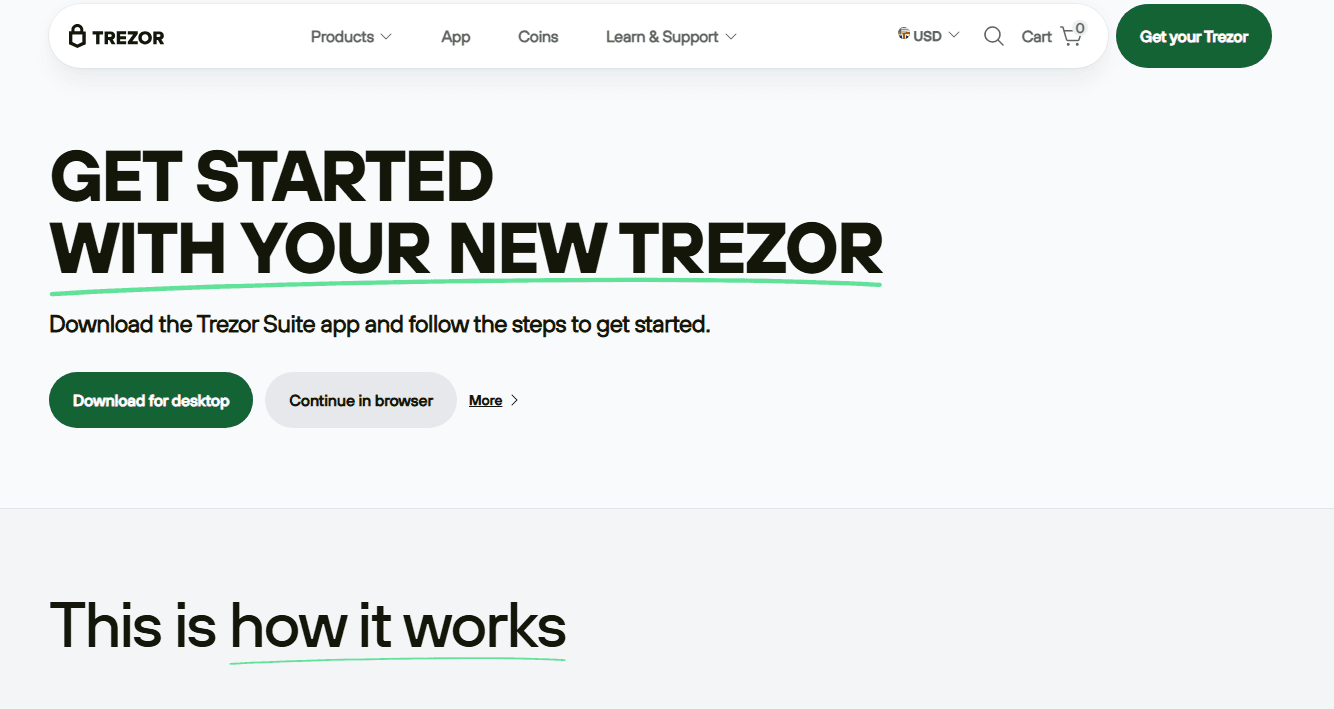
Trezor Login – A Secure Way to Access Your Crypto Assets
Accessing cryptocurrency safely requires more than entering a password on a website. Trezor login is built around hardware-based security, ensuring that only the wallet owner can access funds. Instead of relying on online credentials, Trezor uses physical verification through the device itself, keeping private keys offline at all times.
This article explains how Trezor login works, where to log in safely, and how to avoid common security mistakes.
What Does “Trezor Login” Actually Mean?
Unlike traditional platforms, Trezor does not use accounts, usernames, or passwords. Trezor login simply means connecting your hardware wallet to official software and confirming access directly on the device.
Your wallet access depends on:
Your Trezor hardware wallet
Your chosen PIN
Optional passphrase (if enabled)
There is no cloud-based login involved.
Why Trezor Login Is More Secure
Trezor login is designed to protect users from online threats such as phishing, malware, and keylogging. Since all sensitive actions require confirmation on the device, attackers cannot gain access remotely.
Security Features Behind Trezor Login
Private keys stored offline
PIN-protected device access
Physical confirmation for every action
Optional passphrase for hidden wallets
These features significantly reduce the risk of unauthorized access.
Official Way to Perform Trezor Login
You should always access your wallet using Trezor Suite, the official wallet management application provided by Trezor.
Supported Access Methods
Desktop application (Windows, macOS, Linux)
Official web interface
Avoid third-party websites or browser extensions claiming to offer Trezor login services.
Step-by-Step Guide to Trezor Login
Step 1: Launch Trezor Suite
Open the official Trezor Suite app or the verified web version.
Step 2: Connect Your Trezor Device
Use a USB cable to connect your hardware wallet to your computer.
Step 3: Unlock the Device
Enter your PIN using the scrambled keypad and confirm it on the device screen.
Step 4: Approve Wallet Access
Confirm the connection request directly on the Trezor device to access your wallet dashboard.
Once approved, you can manage your crypto assets securely.
Adding a Passphrase for Extra Security
For users seeking advanced protection, Trezor offers passphrase support. A passphrase creates a separate wallet linked to your recovery seed.
Benefits of Passphrase Protection
Adds an extra security layer
Protects funds even if recovery seed is exposed
Enables hidden wallets
Important: Passphrases cannot be recovered. Losing it means permanent loss of access to that wallet.
Common Trezor Login Issues
Device Not Detected
Try a different USB cable or port
Restart Trezor Suite
Check system permissions
PIN Delays
Multiple incorrect attempts increase waiting time
Always double-check PIN input
Firmware Notifications
Update firmware only through official Trezor Suite
Confirm update details on the device screen
Best Practices for Safe Trezor Login
Never enter your recovery seed online
Do not trust emails asking for login verification
Always verify prompts on the device screen
Keep your Trezor Suite updated
Avoid logging in on public computers
Trezor will never request your recovery phrase or PIN.
Trezor Login vs Web Wallet Login
AspectTrezor LoginWeb Wallet LoginAuthenticationHardware-basedPassword-basedPrivate Key StorageOfflineOnlinePhishing RiskVery lowHighPhysical Device RequiredYesNo
This difference makes Trezor login one of the safest methods for accessing crypto.
What If You Cannot Access Your Trezor?
If your device is lost or damaged, you can restore your wallet using your recovery seed on a new Trezor device.
Recovery Requirements
Original recovery seed (12 or 24 words)
New or reset Trezor device
Without the recovery seed, wallet access cannot be restored.
Final Thoughts
Trezor login offers a highly secure, hardware-based way to access cryptocurrency wallets. By removing online credentials and requiring physical confirmation, Trezor protects users from many common crypto threats.